Custom Webbing Manufacturing
Nylon-Look Twill Webbing
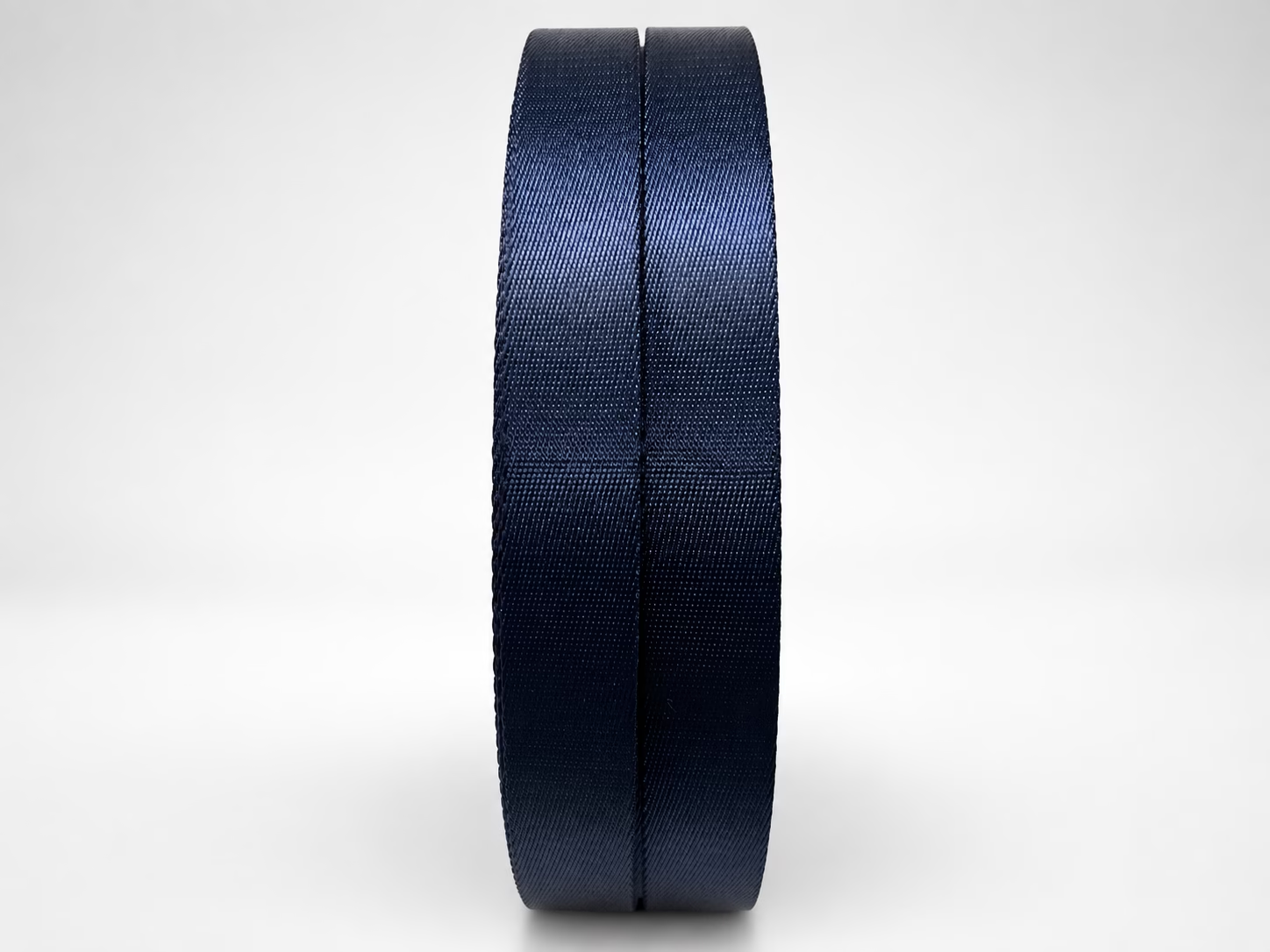
Nylon-look twill webbing is a polyester-based woven tape with a smooth nylon-like appearance and a clearly defined diagonal twill surface. The directional weave gives the webbing stronger visual layering while maintaining a neat edge and practical hand feel for sewing, fastening and repeated assembly.
Guangzhou Huayun Manufacturing can develop twill webbing from an existing sample, photograph, drawing or application requirement. Before sampling, we can review width, thickness, color, diagonal texture definition, weave density, hand feel, finishing, roll length, cutting method and packing.
- ✓Regular widths are commonly reviewed from 10–50 mm; special widths can be developed from a sample, drawing or assembly requirement.
- ✓Black, sample-matched, Pantone-referenced and customer-specified colors can be reviewed for batch production.
- ✓Thickness, twill texture definition, softness, firmness, finishing, roll length and packing can be adjusted during sample development.
- ✓Certified recycled polyester directions can be discussed when they match the project and certification scope.
What Is Nylon-Look Twill Webbing?
Nylon-look twill webbing is a polyester-based woven tape designed to combine a smooth nylon-like surface with a clear diagonal twill texture.
The twill structure is formed by an offset weave that creates continuous diagonal lines across the surface. Compared with a plain weave, it gives the tape stronger visual depth and a more directional texture while retaining a stable construction for repeated sewing and assembly.
It can be developed for bag shoulder straps, backpack trims, pet leashes, garment and home-textile trims, footwear and hat accessories, gift packaging, leather goods, outdoor equipment, rescue auxiliary straps, hammock accessories, bottle decoration and general industrial webbing.
Product Attributes
- Product
- Nylon-Look Twill Webbing
- Material
- Polyester-based yarn is the standard direction for this nylon-look construction. Recycled-polyester or other yarn requirements can be reviewed separately according to the sample, specification and project scope.
- Texture
- Classic twill weave with clearly defined diagonal lines, layered surface appearance and a stable woven hand feel.
- Width
- Regular widths are commonly reviewed from 10–50 mm. Other widths can be developed according to an existing sample, drawing or application requirement.
- Thickness
- Regular, thicker, softer or firmer constructions can be discussed. Final thickness and density are confirmed according to the approved sample and intended use.
- Color
- Black, custom colors, sample-matched colors, Pantone-referenced colors and customer-specified brand colors can be reviewed.
- Hand Feel
- Soft, medium and firmer hand-feel directions can be developed according to the sample, construction and application.
- Twill Profile
- Diagonal angle, line definition, weave density and surface layering can be reviewed against the reference sample where the weaving construction allows.
- Finishing
- Heat setting and application-specific finishing, including abrasion- or water-resistance directions, can be discussed when required.
- Supply
- Roll supply, specified cut lengths, bundled packing, bag packing and carton packing can be reviewed for production and shipment.
- Applications
- Bags and luggage, pet products, apparel trims, footwear, home textiles, leather goods, gift packaging, outdoor equipment, rescue accessories, hammock accessories, bottle decoration and industrial assemblies.
Nylon-Look Twill Webbing Custom Service
The finished appearance of twill webbing is influenced by yarn size, weaving density, diagonal angle, thickness and finishing. These details affect surface definition, visual layering, flexibility, edge appearance and the way the tape handles during sewing and assembly.
When a reference sample is available, Guangzhou Huayun Manufacturing can compare its width, thickness, twill angle, texture density, edge condition, color and hand feel before preparing a development sample for approval.
For a new development, send the intended application, assembly method, target appearance, quantity and packing requirement. These details help us select a practical starting construction before sampling.
Specifications That Can Be Reviewed During Development
The final construction is confirmed according to the intended application, reference sample, appearance requirement and manufacturing method.
Width and Thickness
Review dimensions for shoulder straps, trims, loops, handles, edging and assembly requirements.
Twill Texture
Review diagonal angle, line definition, weave density and surface layering against the target sample or approved reference.
Color and Hand Feel
Review black, sample-matched, Pantone-referenced or specified colors together with the required softness, firmness and assembly feel.
Finishing and Packing
Review heat setting, application-specific finishing, roll length, cut length, inner packing and carton requirements.
Common Applications for Nylon-Look Twill Webbing
Twill webbing is used where a clean diagonal texture, practical hand feel and repeatable woven appearance are important to the finished product.
Bags and Luggage
Shoulder straps, backpack trims, school-bag details, handles, decorative bands, fixing straps and accessory assemblies.
Pet Products
Leashes, collars, harness components and decorative straps where color, texture and hand feel need to be coordinated.
Apparel and Footwear
Garment trims, shoe and hat accessories, loops, waist details and visible woven accents.
Home Textiles and Leather Goods
Decorative trims, carrying straps, edge details and accessory components for soft goods and leather articles.
Outdoor and Rescue Equipment
Outdoor accessories, backpack components, auxiliary straps and rescue-related webbing developed to the required dimensions, hand feel and finishing direction.
Packaging and Industrial Uses
Gift packaging, bottle decoration, hammock accessories, fastening, bundling and general industrial webbing where appearance and consistency are important.
Custom Production Process
From requirement confirmation to twill weaving, finishing, inspection and packing, production is arranged around the approved specification and intended application.
Confirm Requirement
Confirm width, thickness, color, application, twill texture effect, quantity, packing and target hand feel.
Material Selection
Review the standard polyester-based nylon-look direction and any recycled-material requirement that applies to the project.
Twill Weaving
Prepare the woven construction with clear diagonal texture, neat edges and stable dimensions, then review the development sample before batch production.
Heat Setting and Finishing
Arrange heat setting, hand-feel adjustment and any application-specific abrasion- or water-resistance direction after the woven construction is confirmed.
Inspection and Cutting
Check width, thickness, color, diagonal texture, edge condition, appearance and hand feel before roll packing or specified cutting.
Packing and Delivery
Pack by roll, bundle, bag or carton according to receiving, production, storage and shipment requirements.
What Should Be Confirmed Before Batch Production?
The development sample and packing details should be reviewed before repeat production so the main construction, appearance and receiving requirements are clear.
Sample Approval and Batch Reference
An approved sample gives purchasing and production teams a practical reference for repeat orders and helps keep the main visual and dimensional requirements aligned.
- Width and thickness
- Twill texture
- Color reference
- Surface appearance
- Edge condition
- Hand feel
- Roll or cut length
- Packing method
Application-Specific Review
When the final use has additional requirements, the relevant finishing, abrasion direction, water-resistance direction, dimensional tolerance or packing method can be discussed before the production specification is confirmed.
- Assembly method
- Visible appearance
- Target hand feel
- Finishing requirement
- Receiving format
- Shipment packing
What Information Is Needed for a Quote?
For a practical quotation, please send the application, target specification, quantity and reference information together whenever possible. A physical sample, clear photographs or a drawing helps us compare construction details before sampling and price review.
Nylon-Look Twill Webbing Buyer and Technical FAQs
Questions commonly reviewed by purchasing, sourcing and product-development teams before sampling, approval and repeat production.
Which applications is Nylon-Look Twill Webbing best suited for?
It is commonly developed for bags and luggage, pet products, apparel and home-textile trims, footwear and hat accessories, gift packaging, leather goods, outdoor equipment, rescue auxiliary straps, hammock accessories, bottle decoration and industrial webbing. The appropriate width, thickness, texture density and hand feel should be confirmed according to the final application and assembly method.
Can Guangzhou Huayun match our existing twill webbing sample before we place an order?
Yes. A physical sample is especially useful for comparing width, thickness, diagonal angle, texture density, edge condition, surface appearance, color and hand feel. We can review the reference first and prepare a development sample for your evaluation before batch production is confirmed.
Which material and twill construction should we confirm for our project?
The standard nylon-look direction is polyester-based. Diagonal angle, line definition, weave density and surface layering can be adjusted within the available weaving construction. If your project requires a different material direction, send the sample or specification so it can be reviewed separately.
What width, thickness, texture and hand feel must be confirmed before sampling?
Please confirm the target width, thickness, twill texture, weave density and preferred hand feel whenever these details are already known. If you are developing from an existing sample, drawing or application requirement, these points can be reviewed together before the sample is made.
How are custom colors and brand color references reviewed?
Black is a common production direction, and custom colors can be reviewed from physical samples, Pantone references or customer-specified brand colors. For repeat orders, the approved sample and confirmed color reference should be retained as the practical basis for production review.
What should our purchasing team send for an accurate quotation?
Please send the required width, thickness, color, quantity, intended application, preferred hand feel, twill appearance, roll length or cut length, packing requirements, and reference photographs or a physical sample when available. Clear specifications help us review the construction and quotation more efficiently.
What should be approved before batch production starts?
The development sample should be reviewed for dimensions, twill texture, surface appearance, color, edge condition and hand feel. Finishing, roll length, cut length, inner packing and outer carton requirements should also be confirmed when they are important to your assembly line or shipping plan.
Can certified recycled polyester be considered for this webbing?
Certified recycled polyester directions can be discussed for suitable projects. Please tell us the certification scope required by your customer or program so that material availability and the applicable certification requirements can be checked for the specific order.
How can roll length, cut length and packing be supplied?
Supply can be reviewed as rolls, specified cut lengths, bundled packing, bag packing or carton packing. The preferred format should be confirmed before production so it matches your receiving, assembly and shipping requirements.
Can you support repeat production after the development sample is approved?
Yes. The approved sample can be kept as the practical reference for repeat production. Key details such as width, thickness, color, twill texture, surface appearance, hand feel, finishing and packing should remain part of the confirmed production specification for subsequent batches.